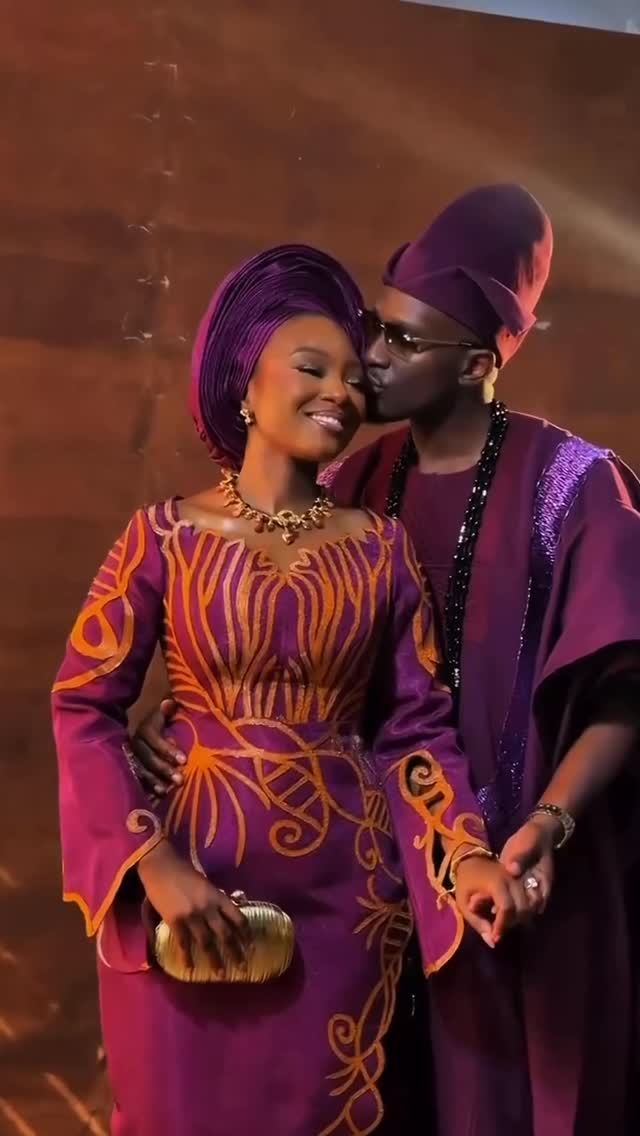
The Nigerian wedding reception has many dances, and most of them are choreographed. There is the entrance dance, in which the bridal party processes in to a song the planner has agreed with the DJ. There is the cake dance, which has its own song. There is the money-spraying dance, which has its own social grammar — the elder approaches, the bills are stacked, the friends step back. None of these are the dance the room remembers.
The dance the room remembers is the unscheduled one. It happens, usually, around forty minutes into the reception. The bride and groom are mid-floor, the lights have been turned down a notch, the DJ has put on a song that is not on the run-of-show. They begin doing a step that is too smooth to be a routine and too coordinated to be improvisation. The room turns. The conversation at the back tables stops mid-sentence. Phones come up.
What the room is watching is not a performance. It is something subtler — a coordination that is the result of three months of private rehearsal and one shared sense of timing. The choreography is loose enough that they can adjust, tight enough that they look like one figure with four legs. The song, almost always, is one that means something to them — the song they were dancing to at her thirtieth birthday, the song that played at the engagement, the song they have texted each other about for two years.
The first dance is the wedding's most reliably honest moment, because it is the only one neither family rewrote.
The reason this lands is structural. A Nigerian wedding is, on balance, a family event. It is the introduction of a new daughter to a husband's household, of a son to a wife's father, of two extended networks to each other. The bride and groom are, in the first hours of the day, supporting actors in a play their families wrote. The first dance is the brief moment when they are again, simply, the protagonists.
The footage will travel, of course. The phones that came up will post the clip with no caption or with the song's chorus quoted. Friends will recognise the song from a context only the couple could have produced. The wedding's official video will eventually include this dance, and the editing will be careful — the videographer will know not to cut too quickly. The whole point of the moment is that nothing else cut into it. For ninety seconds, on a Saturday in Lagos, two people remembered they were the reason any of this was happening.